- FACULTY OF SOCIAL SCIENCE
Department of Sociology
Established in 1972, the Department of Sociology fosters critical inquiry and social responsibility through an innovative, autonomy-driven curriculum that engages students with contemporary social realities at both local and global levels.
Overview
Society is dynamic, constantly reshaped by social, cultural, economic, and technological transformations. Responding to this ever-changing social landscape, Parvatibai Chowgule College of Arts and Science established the Department of Sociology in 1972, with a clear mandate to nurture critical thinkers, socially responsible citizens, and future social researchers and practitioners.
Affiliated to Goa University, the College was conferred Autonomous Status in 2014, enabling the Department of Sociology to design and implement innovative, need-based curricula aligned with contemporary societal realities and global academic standards. Under autonomy, the Department offers a Choice Based Credit System (CBCS) at the undergraduate level, ensuring academic flexibility, interdisciplinarity, and learner-centric education.
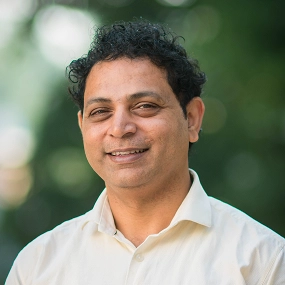
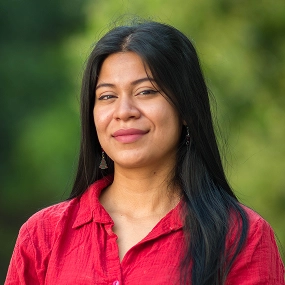
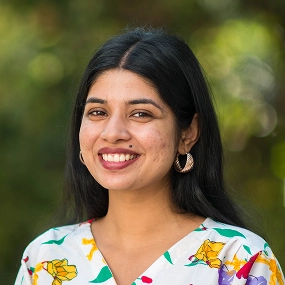
The Department is supported by a committed team of four faculty members, whose academic and research interests span Diaspora Studies, Sociology of Religion, Gender Studies, and Sociology of Education. This intellectual diversity strengthens teaching, research, and community engagement, allowing students to engage meaningfully with both local and global social issues.
Over the years, the Department has witnessed steady growth and increasing student interest, with enrolment rising from 70 students in 2010 to 140 students by 2020 and the takers have continued their interest in sociology, reflecting Sociology’s relevance as a vibrant, socially embedded discipline. Today, the Department is recognised as one of the most diverse and active undergraduate programmes in the College, welcoming students of all ages, religions and faith traditions, genders, ethnic backgrounds, sexual orientations, and varied educational and professional experiences.
At its core, the Department is guided by humanistic values, academic rigour, and social commitment. Sociology here is not confined to textbooks; rather, it is lived, experienced, questioned, and applied.
Vision
Mission
Bachelor of Arts programme in Sociology at Parvatibai Chowgule College is to create high quality sociologist. This focuses on three thrust areas of sociology namely social work, teaching and research. These are based on the works of Anderson (1943) for social work, Bloom and Gardener for teaching, Weber and Durkheim for research.
Through courses using varied pedagogical approaches i.e. lectures, internship, field work, projects, self-learning, presentation, assignments and experiential learning. The students will acquire high level analytical and presentation skills. The department has access to varied resources such as books, journals; web based learning resources, guest lectures and collaborations.
The department welcomes students that are open to learning. Academic rigor, communication skills and a willingness to work hard will be expected.
The department would be able to create excellent sociologist that can provide valuable skills in Social work, teaching and research
Programmes Offered
Undergraduate Programme in Sociology
The Undergraduate Programme in Sociology is designed to offer students a strong theoretical foundation, methodological competence, and experiential learning aligned with the three thrust areas of Teaching, Research, and Social Work.
Programme Structure and Academic Flexibility
At the undergraduate level, Sociology is offered through:
- Major–Minor combinations
- Double Major
The programme includes core compulsory courses and a wide range of electives, enabling students to tailor their academic journey according to their interests, career aspirations, and societal concerns. The curriculum reflects contemporary sociological debates while remaining sensitive to regional, national, and global contexts.
Department Faculty
Activities Organised for Academic, Social and Cultural Vibrancy
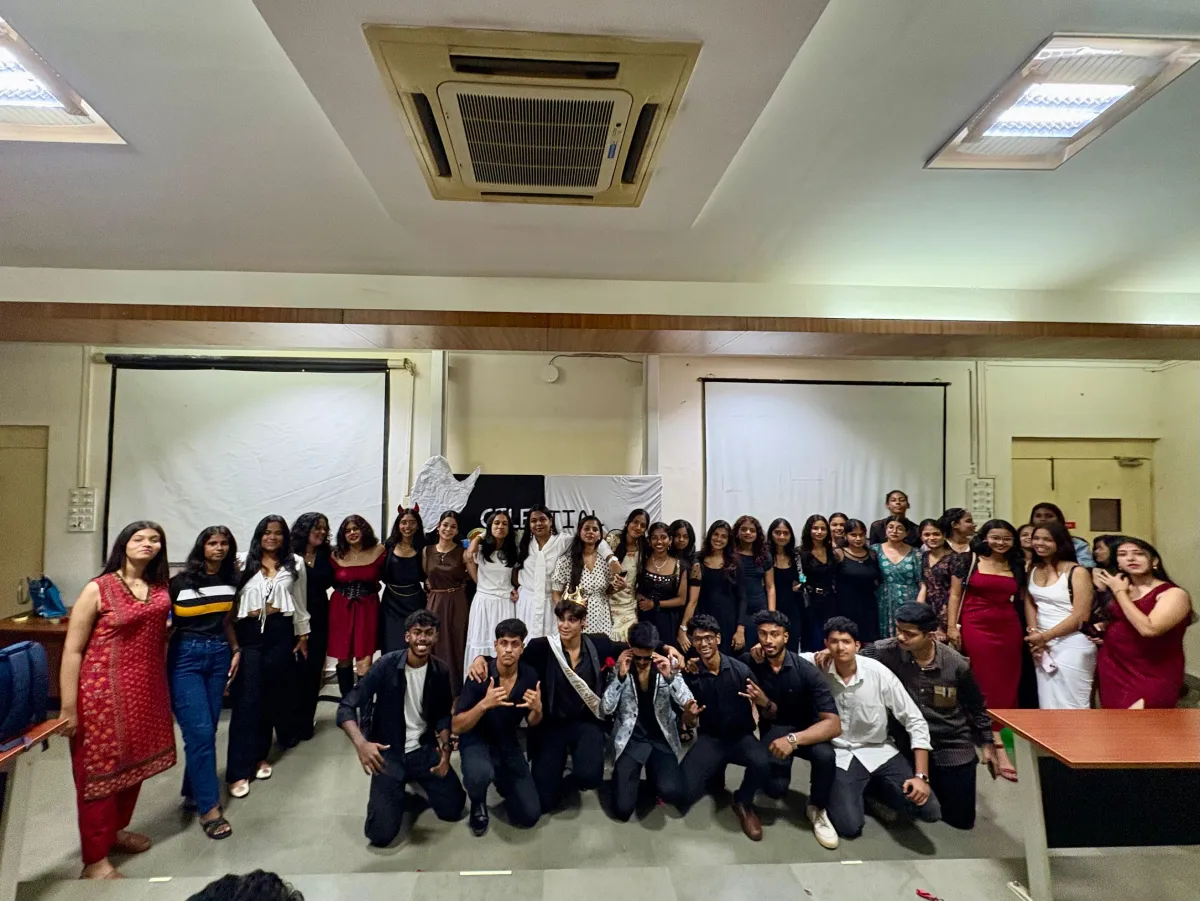
The Department’s vibrancy extends beyond the classroom through the organisation of two flagship state-level events:
- Sociofiesta : an inter-collegiate event that creatively connects sociology to everyday life and the “mundane” social world is organised and hosted by our students for all other sociology students of Goa.
- Goenkarponn: an inter-higher secondary event that encourages students to relive, recreate, and take pride in Goan culture, identity, and heritage.
- Sociology Conference: The students showing active research interest are trained and promoted to take part by presenting research papers at the All-India Sociological Conference organised by the prestigious sociological body of the Indian Sociological Society.
Teaching & Learning method
The Department adopts a constructivist pedagogical framework, where students actively participate in the creation of knowledge rather than being passive recipients. Teaching-learning strategies emphasize:
- Inquiry-based and Experiential learning
- Field-based assignments
- Classroom discussions rooted in lived realities
A distinctive feature of the programme is the deliberate integration of the “book-view” with the “field-view.” Sociological concepts introduced in the classroom are continuously connected to social realities through field visits, case studies, surveys, internships, and interaction with practitioners from the field.
Experiential Learning and Skill Development
To ensure meaningful application of sociological knowledge, students undertake a mandatory 120-hour internship, which provides hands-on exposure to NGOs, research organisations, educational institutions, and social service agencies. Regular guest lectures by field experts further enhance students’ understanding of ground realities and professional practices.
Annual field trips and field-based projects deepen sociological imagination and foster reflexivity, empathy, and critical thinking.
Conclusion
The Department of Sociology at Parvatibai Chowgule College of Arts and Science (Autonomous) stands as a dynamic academic space where theory meets practice, knowledge meets compassion, and learning meets social responsibility. Through an innovative undergraduate programme, committed faculty, experiential pedagogy, cultural engagement, and a strong humanistic foundation, the Department prepares students not only for careers but for meaningful participation in society.
In an era of rapid social change, the Department continues to shape socially aware, ethically grounded, and critically informed graduates capable of contributing to academia, policy, education, research, and community development locally, nationally, and globally.
Best Practices of the Department of Sociology
Best Practice 1: Integrating “Book-View” with “Field-View” through Experiential and Community-Based Learning
Context:
Sociology, as a discipline, demands continuous engagement with lived social realities. Recognising the limitations of purely classroom-based instruction, the Department of Sociology has institutionalised the integration of theoretical learning (“book-view”) with practical exposure (“field-view”) as a core pedagogical practice.
Practice:
The Department systematically links classroom concepts with field-based experiences through the continuous assessments linked to structured field visits, community studies, surveys, internships, guest lectures, and project work. Students undertake a mandatory 120-hour internship, participate in annual field trips, and engage with NGOs, research organisations, educational institutions, and community groups. Course design and assessment emphasise inquiry-based and experiential learning, ensuring that sociological theories are analysed in real-world contexts.
Outcome:
This practice enhances students’ analytical abilities, critical thinking, and sociological imagination. Students develop empathy, reflexivity, and applied research skills, enabling them to connect theory with practice. The approach prepares graduates for careers in social work, teaching, research, policy, and community development, and fosters socially responsible citizenship.
Best Practice 2: Fostering Humanism and Social Responsibility through Student-Led Community Engagement (HUMAN–DOSTO Club)
Context:
In alignment with its vision of creating humanistic and socially responsible citizens, the Department emphasises value-based education alongside academic excellence.
Practice:
The Department operates a student-led outreach initiative titled HUMAN–DOSTO (Human U and Me in Aid of Needy and Department of Sociology Student Teacher Organisation). Faculty and students collaboratively plan and implement sustained community engagement activities with underprivileged and marginalised groups. The club functions as a living laboratory where students experience the three thrust areas of Sociology—social work, teaching, and research—through direct social action.
Outcome:
The initiative cultivates empathy, ethical awareness, leadership, and teamwork among students. It strengthens students’ commitment to social welfare and enables them to apply sociological knowledge to address real social issues. The practice reinforces humanistic values and transforms students into socially conscious graduates with a strong sense of civic responsibility.
Best Practice 3: Creating a Strong Academic and Emotional Ecosystem through Student-Centric Departmental Culture
Context:
Student transition, retention, and holistic development are critical aspects of quality higher education.
Practice:
The Department nurtures a supportive academic ecosystem through structured initiatives such as Genesis (orientation of First Year students), Sociofare Awards for continuous recognition, and a formal Farewell programme for T.Y.B.A. students. These activities strengthen teacher–student relationships, encourage peer bonding, and create a sense of belonging and continuity.
Outcome:
Students experience emotional integration, motivation, and academic confidence. The Department successfully builds long-term institutional attachment, promotes student participation, and nurtures leadership and excellence beyond the classroom.
Conclusion
The Department of Sociology’s best practices reflect its commitment to experiential learning, humanistic values, and student-centred education. By seamlessly integrating theory with practice and fostering sustained community engagement, the Department ensures holistic student development and meaningful societal impact, positioning itself as a model undergraduate programme in Sociology