The Department of Economics adopts a student-centric and inclusive approach to teaching and learning, recognising the diverse academic backgrounds and learning abilities of students. At the beginning of each semester, a competency assessment is conducted to understand students’ preparedness in the subject. Based on the outcomes, academic support is provided to students who require additional guidance through mentoring, counselling, and e-resources. Student progress is continuously monitored to ensure effective learning outcomes.
Classroom teaching is highly interactive and discussion-oriented. Along with lectures, the Department regularly incorporates innovative methods such as quizzes, games, problem-solving activities, outdoor experiments, and student-led seminars to make learning engaging and meaningful. Students are encouraged to explore contemporary themes in economics, sustainability, and empirical analysis through presentations and discussions.
To promote holistic development, the Department offers value-added and skill-oriented learning opportunities through workshops, certificate programmes, and training sessions. These initiatives focus on developing analytical, quantitative, and research skills, including exposure to econometric tools and applied economic analysis. The Department also collaborates with national and international institutions to provide students with global academic exposure.
Students benefit from regular interactions with experts from academia, research institutions, government bodies, industry, and entrepreneurship organisations. Guest lectures and expert talks help bridge the gap between classroom learning and real-world applications of economics. Alumni interactions further inspire students by offering academic guidance and career insights.
Evaluation is continuous and comprehensive, in line with the principles of the National Education Policy. Students are assessed through a variety of methods, including assignments, quizzes, presentations, case studies, article and book reviews, response papers, and practical exercises. These assessment tools are designed to evaluate not only subject knowledge but also critical thinking, communication skills, creativity, and problem-solving abilities.
Experiential learning is an integral part of the curriculum. Field visits to industries, self-help groups, and environmentally sustainable initiatives enable students to apply economic concepts to real-life situations. Skill-building activities such as entrepreneurship exercises, business plan preparation, and campus-based marketing activities provide hands-on exposure to business decision-making, teamwork, and leadership.
The semester-end examination includes integrative and application-based questions that encourage students to connect concepts across different areas of economics. Overall, the Department’s teaching–learning–evaluation framework aims to nurture analytical thinking, practical skills, ethical awareness, and a lifelong learning approach, preparing students for higher studies, research, and diverse career paths.
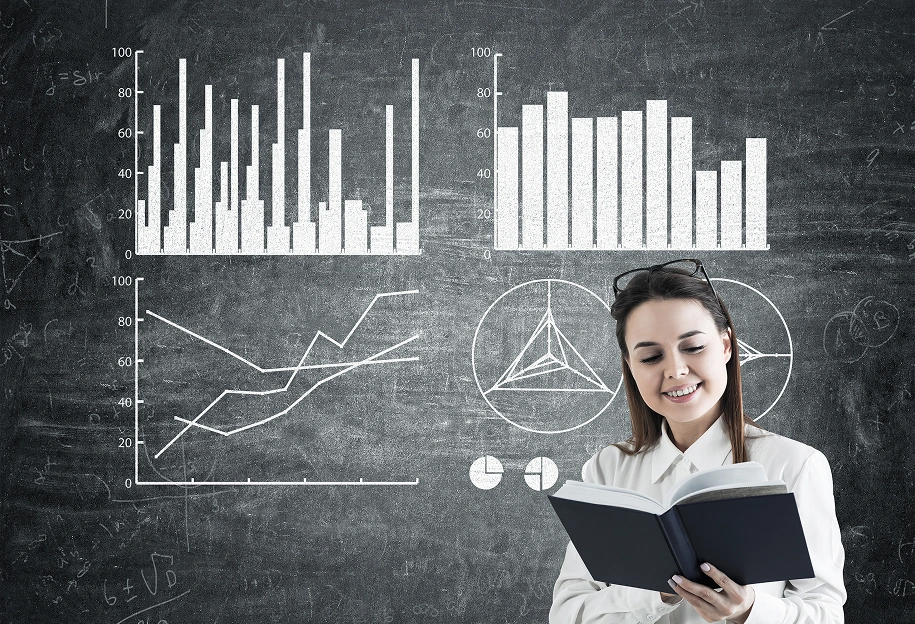




 Tech-Integrated Learning: R • Python • STATA • GRETL • Excel • Tally
 Applied Projects: Live datasets • Case studies • Fieldwork
 Entrepreneurship: Business plans • Bazaar Day • Market simulations
 Certifications: Econometrics • Advanced empirical tools
 Industry & Alumni: Expert talks • Mentoring • Career guidance