Psychology
Department of Psychology
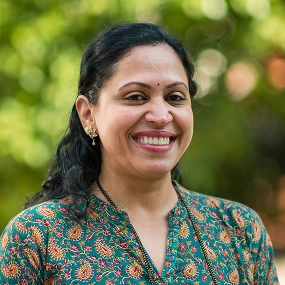
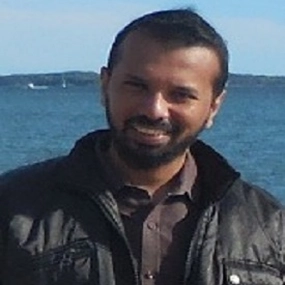
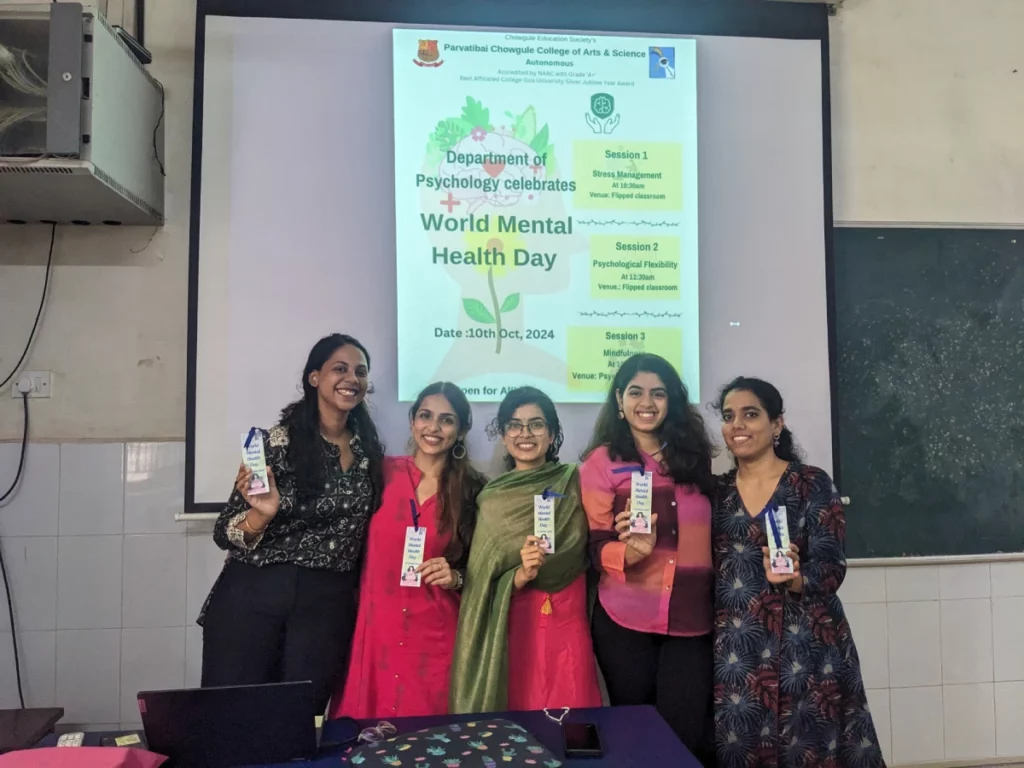
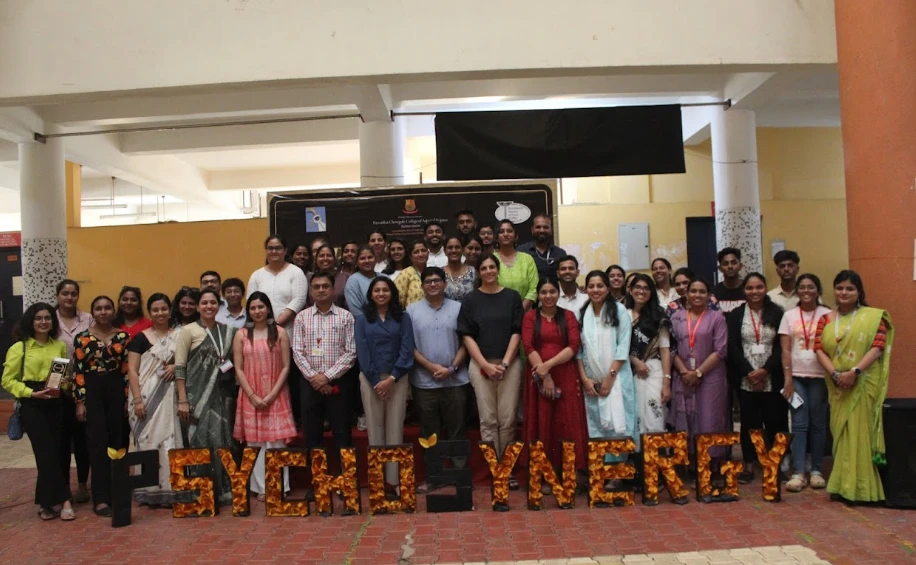
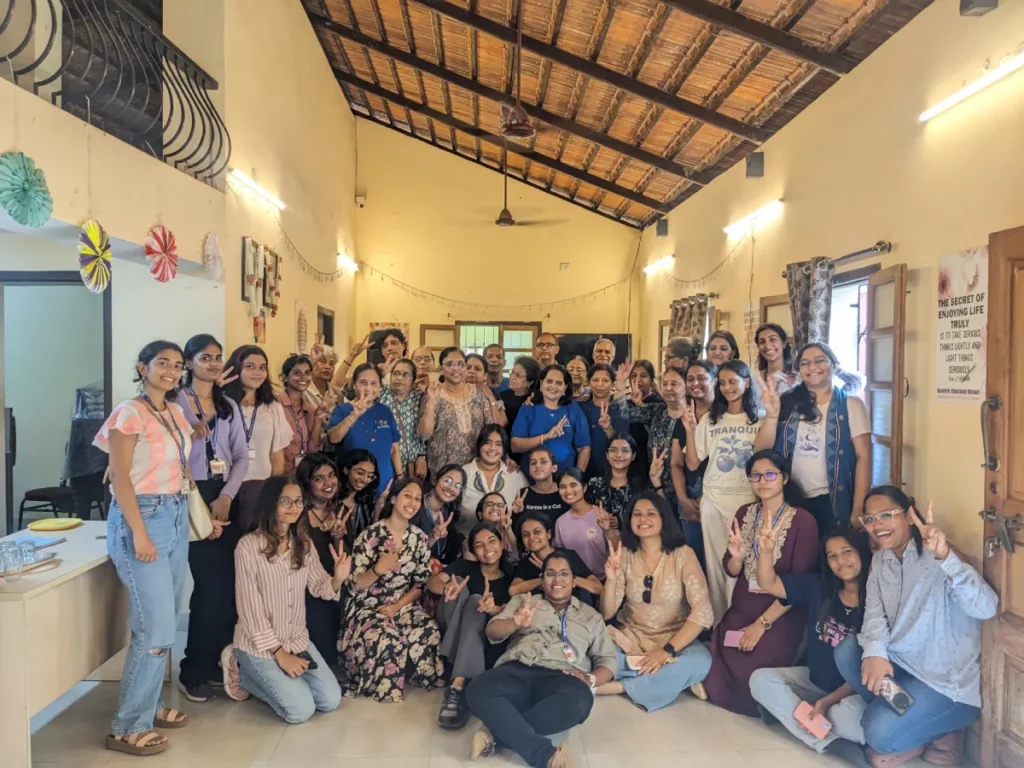
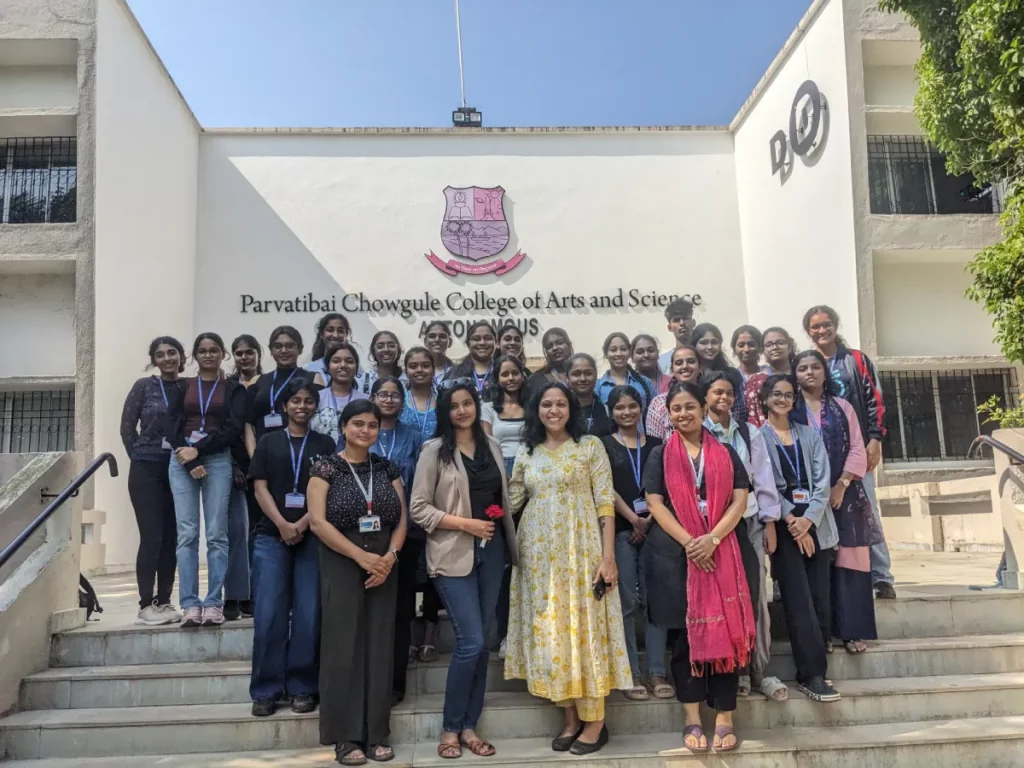
FACULTY OF SOCIAL SCIENCE Department of Psychology Established in 1962, the Department of Psychology has evolved into one of the College’s most sought-after disciplines, offering dynamic undergraduate and postgraduate programmes, including Goa’s only M.A. in Child Psychology and Child Development. Overview The Department of Psychology has been in existence ever since the inception of the College, i.e. since 1962. Up to 2008 the Department functioned under the Department of Philosophy. In 2008, the department came into independent existence with 3 units being offered at the Third Year level. In 2009, six units were introduced. Prior to this, Psychology was offered as a subject for the first year and second year students only. In 2015 the College attained autonomy and since then the Department offer Single Major, Double Major and Major minor structures. Today the Department has grown by leaps and bounds as its programs have become among the most sought after by aspirants. Currently the Department of Psychology offers two programs: 3 years B.A. degree (under NEP) in Psychology and M.A. in Child Psychology and Child Development which is the only program of its kind in the state of Goa. Vision To foster excellence and innovation in psychology education in psychology education, by cultivating ethically grounded, socially sensitive, and professionally competent graduates with a strong foundation in psychological theory, research, and practice, capable of addressing individual and societal mental health challenges through critical thinking and innovation. Mission To provide quality undergraduate education in psychology through experiential and research-oriented learning, community engagement, and professional exposure, while fostering a scientific temperament that empowers students to critically examine behavior and apply psychological principles to real-world psychosocial challenges, preparing them for higher studies and diverse career pathways. Programmes Offered Bachelor of Arts (B.A) in Psychology UNDERGRADUATE PROGRAM | 3 YEARS Bachelor of Arts (B.A) in Psychology The Undergraduate Programme… Read More Master of Arts (M.A) in Child Psychology & Child Development POSTGRADUATE PROGRAMME | 2 YEARS Master of Arts (M.A) in Child Psychology and Child Development Master… Read More No posts found Department Faculty The Department of Psychology comprises of dedicated faculty members, who bring a blend of academic expertise, research experience, and practical knowledge. They are actively involved in teaching, mentoring, research guidance, and organizing community outreach programs, fostering a supportive and stimulating learning environment for students. B.A in Psychology Dr. Sobita Vishal Kirtani Assistant Professor and In-charge Naik Aresh A/s Nimish Narayan Assistant Professor Nidhi Sakharam Mhambrey Assistant Professor Tanita Ramrao Patil Assistant Professor and In-charge No posts found M.A in Child Psychology & Child Development Leann Odelia Agneta Mesquita Assistant Professor & Coordinator Mitzy Savia Crasto Assistant Professor Orenda Acacia Gonsalves Assistant Professor No posts found Activities Organised B.A. Programme: The Department of Psychology actively engages students in a variety of academic and extracurricular activities to enhance learning and practical exposure. A quarterly newsletter keeps the community informed about departmental events and achievements. Students participate in field visits and study tours, obtaining firsthand experience in clinical, rehabilitative, and educational settings. The department organizes career talks and workshops to support professional development. The annual Discussion Forum explores topics of contemporary importance through broad discussions with prominent personalities from diverse fields. Creative and awareness initiatives include street plays addressing social issues, while events like Psychospectrum, an exhibition, foster skill development, self-expression, and peer learning. Yet another initiative of the department is PsychoSynergy is a Mental Health Festival that brings several organizations in Goa working in mental health and allied fields, under one umbrella. M.A. Programme: Students are actively engaged in outreach and experiential learning initiatives, including conducting workshops and participating in structured visits to a recognised special learning centre within the state. These experiences include sessions on mindfulness and psychosocial awareness, allowing students to apply psychological concepts in real-world contexts while developing sensitivity, ethical practice, and community engagement skills essential to child psychology. Conference World Mental Health Day 24-25 Psychosynergy Field Visit Career Talk Teaching & Learning method B.A. Programme: The Department of Psychology offers a dynamic and comprehensive learning experience through blended instructional formats such as presentations, group discussions, literature reviews, problem-based learning, role plays, case studies, surveys, portfolios, interviews, and video-making, enabling students to develop both theoretical understanding and practical skills. There is an extensive emphasis on APA formatting and publishing guidelines to ensure academic rigor, ethical writing practices, and research competence. In addition, a dedicated Bridge Course on Research Methodology equips students with foundational research skills, preparing them for advanced academic work and evidence-based practice in psychology. M.A. Programme: The programme adopts a student-centred and experiential approach to teaching–learning. Classroom instruction is enriched through field visits that provide real-world exposure to child- and family-focused settings, enabling students to connect theory with practice. Classroom presentations foster critical thinking, academic dialogue, and professional communication skills. Movie and media reviews are used as reflective learning tools to analyse child development, behaviour, and psychosocial issues through a psychological lens. Together, these methods promote active learning, applied understanding, and professional readiness in the field of child psychology. Best Practices B.A. Programme: The department places strong emphasis on teamwork and effective communication by encouraging regular discussions on assessment methods and project topics, allowing faculty to collaboratively identify and address any gaps in teaching or evaluation practices. From an administrative perspective, transparency and efficiency are ensured through the timely sharing of continuous assessment schedules and the use of Google Sheets by the DFC for systematic entry and monitoring of marks. Additionally, the department actively works toward enhancing industry connect by including industry experts from allied fields on the Board of Studies and exploring opportunities for collaborative research, thereby bridging academic learning with real-world applications. M.A. Programme: The programme follows best practices that emphasise academic rigour, ethical sensitivity, and professional competence. It integrates evidence-based content with experiential learning, encourages reflective practice, and promotes continuous assessment through diverse evaluation methods. Faculty mentoring, structured feedback, and exposure to real-world settings support holistic student development. The curriculum is regularly reviewed to remain aligned with contemporary developments in child psychology, ensuring
Bachelor of Arts (B.A) in Psychology
UNDERGRADUATE PROGRAM | 3 YEARS Bachelor of Arts (B.A) in Psychology The Undergraduate Programme in Psychology is a multidisciplinary, future-oriented programme designed in alignment with the National Education Policy (NEP) 2020, and implemented from the Academic Year 2023–2024. Apply Now View Syllabus Overview The Psychology programme provides a comprehensive foundation in psychological theory, research, and applied practice. It covers core domains such as basic psychology, personality, cognitive and social psychology, psychopathology, counselling, neuropsychology, and research methods. Students develop critical thinking, inquiry skills, and the ability to apply psychological knowledge to real-world issues. The curriculum equips learners for personal growth, experimentation, and assessment, while also offering value-added and skill-enhancement courses that strengthen communication, counselling, and self-regulation abilities. Through multidisciplinary exposure and vocational components, the programme prepares graduates for diverse professional pathways and further academic specialization in psychology. Program Specific Outcomes (PSO) PSO-1: Application of knowledge of psychology to real world problems PSO-2: Demonstration of critical thinking through inquiry PSO-3: Application of psychology for personal growth/ self-improvement PSO-4: Assist in testing and Experimentation Course Structure Internship of 4 credits should be completed in Semester IV and V. Sem I Sem II Sem III Sem IV Sem V Sem VI Major Core Minor/ Vocational Multidisciplinary Course (MDC) Value Added Course (VAC) Ability Enhancement Course (AEC) Skill Enhancement Course (SEC) UG-PSY-101: Basic Course in Psychology I UG-PSY- MDC1: Interpersonal Relationships UG-PSY- VAC1: Environmental PsychologyUG-PSY- VAC2: Psychology of Health Behaviour UG-PSY- SEC1: Self-Regulation Major Core Minor/ Vocational Multidisciplinary Course (MDC) Value Added Course (VAC) Ability Enhancement Course (AEC) Skill Enhancement Course (SEC) UG-PSY-102: Basic Course in Psychology II UG-PSY- VAC3: Positive Psychology UG-PSY- SEC2:Basic Counselling Skills Major Core Minor/ Vocational Multidisciplinary Course (MDC) Value Added Course (VAC) Ability Enhancement Course (AEC) Skill Enhancement Course (SEC) UG-PSY-201: Psychopathology I UG-PSY-202: Personality Theories UG-PSY- MDC2: Communication and Conflict Management in Groups and Teams UG-PSY- SEC3: Communication and Interpersonal Skills Major Core Minor/ Vocational UG-PSY-203: Psychopathology II UG-PSY-204: Child Psychology UG-PSY-205: Social Psychology UG-PSY-206: Cognitive Psychology UG-PSY- VOC1: Fundamentals of Counselling Major Core Minor/ Vocational UG-PSY-301: Experimental Psychology UG-PSY-302: Psychology of Adolescence UG-PSY-303: Neuropsychology UG-PSY- VOC2: Counselling Specialties Major Core Minor/ Vocational UG-PSY-304: Psychological Testing UG-PSY-305: Gerontology UG-PSY-306: Organizational Behaviour UG-PSY-307: Criminal Psychology UG-PSY-VOC3: Research Process Major Core Minor/ Vocational Multidisciplinary Course (MDC) Value Added Course (VAC) Ability Enhancement Course (AEC) Skill Enhancement Course (SEC) UG-PSY-101: Basic Course in Psychology I UG-PSY- MDC1: Interpersonal Relationships UG-PSY- VAC1: Environmental PsychologyUG-PSY- VAC2: Psychology of Health Behaviour UG-PSY- SEC1: Self-Regulation Major Core Minor/ Vocational Multidisciplinary Course (MDC) Value Added Course (VAC) Ability Enhancement Course (AEC) Skill Enhancement Course (SEC) UG-PSY-102: Basic Course in Psychology II UG-PSY- VAC3: Positive Psychology UG-PSY- SEC2:Basic Counselling Skills Major Core Minor/ Vocational Multidisciplinary Course (MDC) Value Added Course (VAC) Ability Enhancement Course (AEC) Skill Enhancement Course (SEC) UG-PSY-201: Psychopathology I UG-PSY-202: Personality Theories UG-PSY- MDC2: Communication and Conflict Management in Groups and Teams UG-PSY- SEC3: Communication and Interpersonal Skills Major Core Minor/ Vocational UG-PSY-203: Psychopathology II UG-PSY-204: Child Psychology UG-PSY-205: Social Psychology UG-PSY-206: Cognitive Psychology UG-PSY- VOC1: Fundamentals of Counselling Major Core Minor/ Vocational UG-PSY-301: Experimental Psychology UG-PSY-302: Psychology of Adolescence UG-PSY-303: Neuropsychology UG-PSY- VOC2: Counselling Specialties Major Core Minor/ Vocational UG-PSY-304: Psychological Testing UG-PSY-305: Gerontology UG-PSY-306: Organizational Behaviour UG-PSY-307: Criminal Psychology UG-PSY-VOC3: Research Process Sem I Sem II Sem III Sem IV Sem V Sem VI Sem VII Sem VIII Major Core Minor/ Vocational Multidisciplinary Course (MDC) Value Added Course (VAC) Ability Enhancement Course (AEC) Skill Enhancement Course (SEC) UG-PSY-101: Basic Course in Psychology I UG-PSY- MDC1: Interpersonal Relationships UG-PSY- VAC1: Environmental PsychologyUG-PSY- VAC2: Psychology of Health Behaviour UG-PSY- SEC1: Self-Regulation Major Core Minor/ Vocational Multidisciplinary Course (MDC) Value Added Course (VAC) Ability Enhancement Course (AEC) Skill Enhancement Course (SEC) UG-PSY-102: Basic Course in Psychology II UG-PSY- VAC3: Positive Psychology UG-PSY- SEC2:Basic Counselling Skills Major Core Minor/ Vocational Multidisciplinary Course (MDC) Value Added Course (VAC) Ability Enhancement Course (AEC) Skill Enhancement Course (SEC) UG-PSY-201: Psychopathology I UG-PSY-202: Personality Theories UG-PSY- MDC2: Communication and Conflict Management in Groups and Teams UG-PSY- SEC3: Communication and Interpersonal Skills Major Core Minor/ Vocational UG-PSY-203: Psychopathology II UG-PSY-204: Child Psychology UG-PSY-205: Social Psychology UG-PSY-206: Cognitive Psychology UG-PSY- VOC1: Fundamentals of Counselling Major Core Minor/ Vocational UG-PSY-301: Experimental Psychology UG-PSY-302: Psychology of Adolescence UG-PSY-303: Neuropsychology UG-PSY- VOC2: Counselling Specialties Major Core Minor/ Vocational UG-PSY-304: Psychological Testing UG-PSY-305: Gerontology UG-PSY-306: Organizational Behaviour UG-PSY-307: Criminal Psychology UG-PSY-VOC3: Research Process Major Core Minor/ Vocational UG-PSY-401: Counselling Therapies UG-PSY-402: Research Designs for Psychology UG-PSY-403: Statistics in Psychology UG-PSY-404: Cross cultural Psychology Major Core Minor/ Vocational UG-PSY-405: Neurodevelopmental disorders UG-PSY-406: Analyzing Statistical results UG-PSY-407: Research Writing UG-PSY-408: Clinical skills and assessment Major Core Minor/ Vocational Multidisciplinary Course (MDC) Value Added Course (VAC) Ability Enhancement Course (AEC) Skill Enhancement Course (SEC) UG-PSY-101: Basic Course in Psychology I UG-PSY- MDC1: Interpersonal Relationships UG-PSY- VAC1: Environmental PsychologyUG-PSY- VAC2: Psychology of Health Behaviour UG-PSY- SEC1: Self-Regulation Major Core Minor/ Vocational Multidisciplinary Course (MDC) Value Added Course (VAC) Ability Enhancement Course (AEC) Skill Enhancement Course (SEC) UG-PSY-102: Basic Course in Psychology II UG-PSY- VAC3: Positive Psychology UG-PSY- SEC2:Basic Counselling Skills Major Core Minor/ Vocational Multidisciplinary Course (MDC) Value Added Course (VAC) Ability Enhancement Course (AEC) Skill Enhancement Course (SEC) UG-PSY-201: Psychopathology I UG-PSY-202: Personality Theories UG-PSY- MDC2: Communication and Conflict Management in Groups and Teams UG-PSY- SEC3: Communication and Interpersonal Skills Major Core Minor/ Vocational UG-PSY-203: Psychopathology II UG-PSY-204: Child Psychology UG-PSY-205: Social Psychology UG-PSY-206: Cognitive Psychology UG-PSY- VOC1: Fundamentals of Counselling Major Core Minor/ Vocational UG-PSY-301: Experimental Psychology UG-PSY-302: Psychology of Adolescence UG-PSY-303: Neuropsychology UG-PSY- VOC2: Counselling Specialties Major Core Minor/ Vocational UG-PSY-304: Psychological Testing UG-PSY-305: Gerontology UG-PSY-306: Organizational Behaviour UG-PSY-307: Criminal Psychology UG-PSY-VOC3: Research Process Major Core Minor/ Vocational UG-PSY-401: Counselling Therapies UG-PSY-402: Research Designs for Psychology UG-PSY-403: Statistics in Psychology UG-PSY-404: Cross cultural Psychology Major Core Minor/ Vocational UG-PSY-405: Neurodevelopmental disorders UG-PSY-406: Analyzing Statistical results UG-PSY-407: Research Writing UG-PSY-408: Clinical skills and assessment
Master of Arts (M.A) in Child Psychology & Child Development
POSTGRADUATE PROGRAMME | 2 YEARS Master of Arts (M.A) in Child Psychology and Child Development Master of Science in Information Technology (M.Sc. IT) provides graduates advanced and well balanced theoretical and practical knowledge to develop their skills in software development and research so that they become competent to join the IT Industry or the academia. Apply Now View Syllabus Overview The Master of Arts in Child Psychology & Child Development is a dedicated, full-time, two-year postgraduate programme offered by the Department of Psychology, Parvatibai Chowgule College of Arts and Science (Autonomous). Designed to prepare ethical, skilled, and reflective professionals, this programme integrates strong theoretical foundations with research training, skill-based learning, field exposure, and supervised internships within Goa and beyond. What sets this programme apart is that it is a specialized degree program in the country offering personalised learning environment and faculty mentorship. The programme is guided by a committed team of experienced faculty with strong academic, clinical, and professional backgrounds. With a student-centred approach, the faculty offer intensive supervision, individualised guidance, and continuous academic and professional mentoring, ensuring that every student receives focused attention and meaningful learning experiences. Students benefit from access to a vibrant campus ecosystem including a well-equipped library, an established Counselling Cell, the Student Wellness Centre (SWC), modern classrooms, and recreational facilities. Beyond academics, students receive structured mentoring and active support for internships and career pathways. Faculty engagement continues even after graduation, offering guidance for professional growth and career development in the field of child psychology. Program Specific Outcomes (PSO) PSO-1: Demonstrate comprehensive understanding of major theories, principles and empirical findings associated with child and adolescent psychology. PSO-2: Design, conduct and critically evaluate psychological research using quantitative and qualitative methodologies with adherence to ethical standards. PSO-3: Apply the principles learned, to address individual, familial and societal concerns, while complying to ethical standards of practice. PSO-4: Demonstrate practical skills in psychological assessments, diagnosis, prevention, intervention formulation and advocacy for child and adolescent welfare. Course Structure Sem I Sem II Sem III Sem IV PGM-PSY (Part One) Number of designated credits Discipline Specific Core (DSC) 04 Discipline Specific Core (DSC) 04 Discipline Specific Core (DSC) 04 Discipline Specific Core (DSC) 04 Discipline Specific Elective I 04 Total number of credits 20 PGM-PSY (Part One) Number of designated credits Discipline Specific Core (DSC) 04 Discipline Specific Core (DSC) 04 Discipline Specific Core (DSC) 04 Discipline Specific Core (DSC) 04 Discipline Specific Elective II 04 Total number of credits 20 PGM-PSY (Part Two) Number of designated credits Discipline Specific Elective III 04 Discipline Specific Elective IV 04 Discipline Specific Research Elective I 04 Discipline Specific Research Elective II 04 Generic Elective 04 Total number of credits 20 PGM-PSY (Part One) Number of designated credits Research Specific Elective Practical I 02 Research Specific Elective Practical II 02 Discipline Specific Research OR Internship 16 Total number of credits 20 PGM-PSY (Part One) Number of designated credits Discipline Specific Core (DSC) 04 Discipline Specific Core (DSC) 04 Discipline Specific Core (DSC) 04 Discipline Specific Core (DSC) 04 Discipline Specific Elective I 04 Total number of credits 20 PGM-PSY (Part One) Number of designated credits Discipline Specific Core (DSC) 04 Discipline Specific Core (DSC) 04 Discipline Specific Core (DSC) 04 Discipline Specific Core (DSC) 04 Discipline Specific Elective II 04 Total number of credits 20 PGM-PSY (Part Two) Number of designated credits Discipline Specific Elective III 04 Discipline Specific Elective IV 04 Discipline Specific Research Elective I 04 Discipline Specific Research Elective II 04 Generic Elective 04 Total number of credits 20 PGM-PSY (Part One) Number of designated credits Research Specific Elective Practical I 02 Research Specific Elective Practical II 02 Discipline Specific Research OR Internship 16 Total number of credits 20 Course Structure Faculty of Social Science Department of Psychology Established in 1962, the Department of Psychology has evolved into one of the College’s most sought-after disciplines, offering dynamic undergraduate and postgraduate programmes, including Goa’s only M.A. in Child Psychology and Child Development. Read More Apply Now The Directorate of Higher Education (DHE), Goa, has implemented the Samarth e-Governance Admission Portal for the 2025-26 academic year to streamline and digitize the admission process for Government and Aided Colleges in the state. The portal offers a centralized online admission system, allowing students to apply to multiple colleges and Programmes through a single platform. It ensures transparency, efficiency, and ease of access for applicants and institutions alike.The portal is a step towards digital transformation in higher education, ensuring a hassle-free and efficient admission process for students and institutions. Career Opportunities The Master’s programme in Child Psychology and Child Development equips students with a strong theoretical foundation and applied understanding of children’s cognitive, emotional, social, and behavioural development. Graduates are prepared for a wide range of professional roles supporting child wellbeing, education, research, and community development in Goa, across India, and internationally. Graduates may find opportunities in schools, NGOs, community organisations, research institutions, healthcare support services (in non-licensed roles), government programmes, and child-focused digital platforms. This programme does not confer RCI eligibility or licensing. Students who aspire to become Clinical Psychologists or Rehabilitation Psychologists are strongly encouraged to pursue RCI-approved professional training programmes after graduation and obtain registration with the Central Rehabilitation Register, as per prevailing regulations.