Biotechnology

Industry Visit: Tropical Mushrooms (Goa) Private Limited

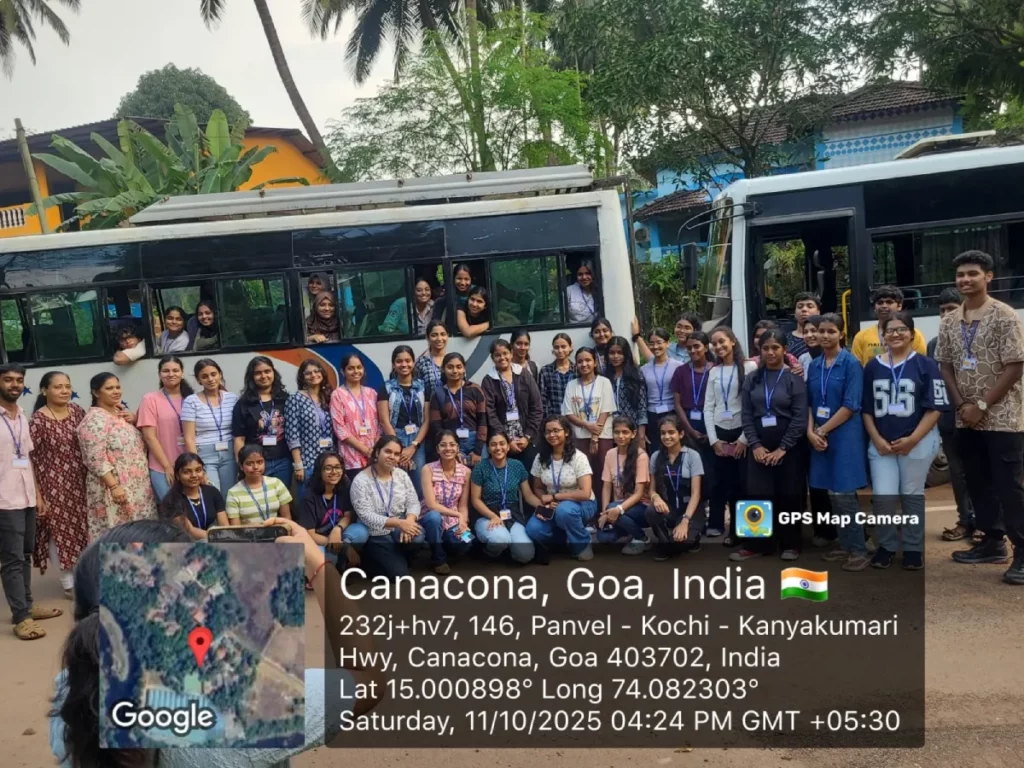
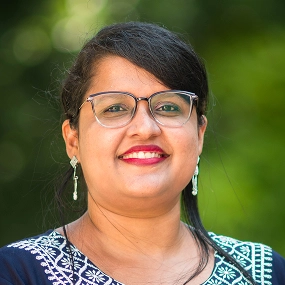
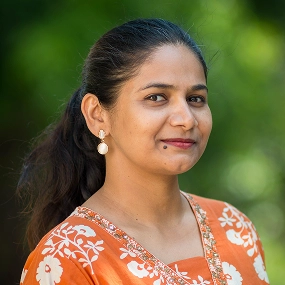
Dr. Sidhali Parsekar and Dr. Nivedita Kolvekar, Assistant Professor, Department of Biotechnology, along with FY Biotechnology students visited Tropical Mushrooms (Goa) Private Limited, Goa on 11th October 2025 as part of the practical curriculum for Mushroom Cultivation Techniques.

Certificate Course on Drug Discovery and Development: A Transformative Learning Experience

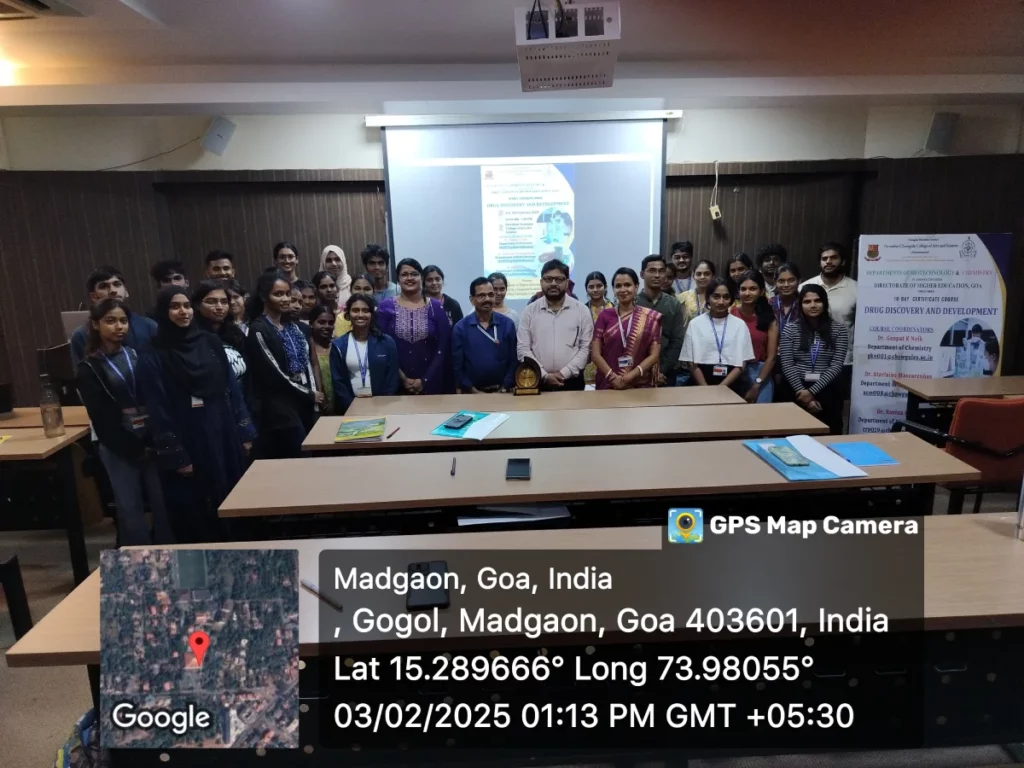
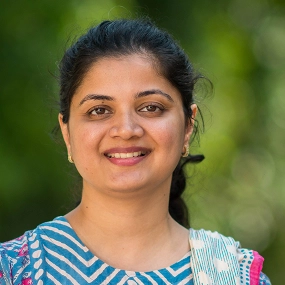
A ten-day Certificate Course on Drug Discovery and Development was organized from 3rd to 13th February 2025 by the Departments of Biotechnology and Chemistry, coordinated by Dr. Starlaine Mascarenhas, Dr. Ravina Pai, and Dr. G. K. Naik, with funding from the Directorate of Higher Education (DHE). The program featured expert sessions by academicians and industry professionals from leading institutions and pharmaceutical companies, covering drug design, clinical trials, regulatory affairs, quality control, and quality assurance, complemented by an industrial visit to Sanofi for practical exposure. The course concluded with recognition of outstanding participants and reinforced the department’s commitment to bridging academic learning with industry-oriented skills in biotechnology and pharmaceutical sciences

Synapse 2K24-25: Where Science Met Spotlight!

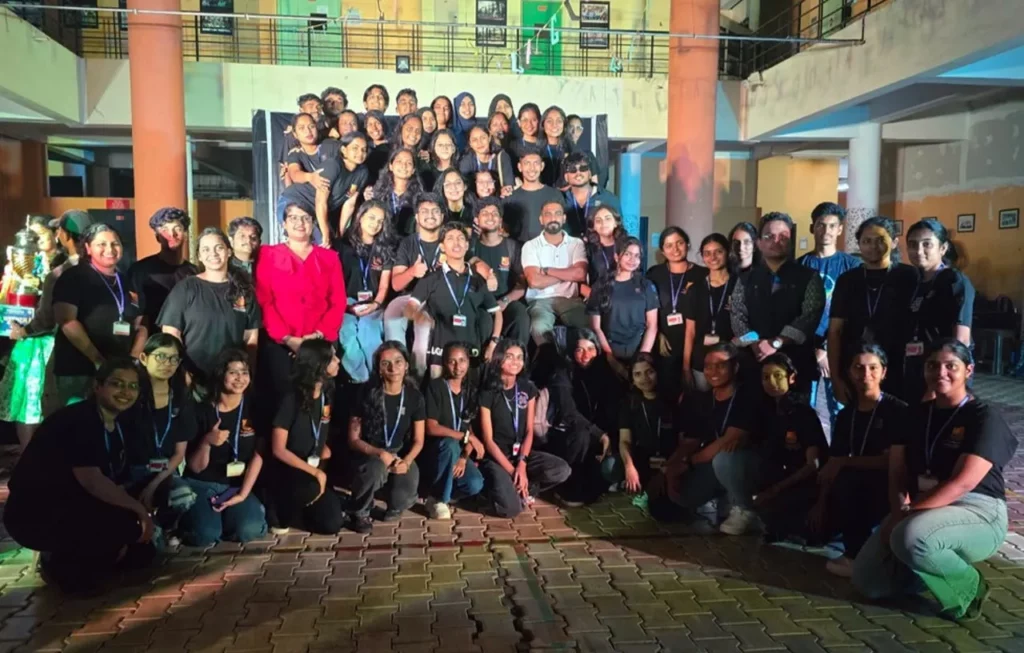
The Department of Biotechnology successfully hosted Synapse 2K24–25, a one-day flagship intercollegiate fest that brought together enthusiastic students from colleges across Goa in a vibrant celebration of creativity, intellect, and talent. The event featured a dynamic mix of intellectual, artistic, and cultural competitions—including Brain Battle, Escape the Lab, Drawing, Cooking Without Fire, Poem Recitation, Group Dance, Fashion Show, Mr. and Ms. Synapse, and a lively Mascot Parade—creating an electrifying atmosphere throughout the day. Meticulously organized with expert judging, live band performances, and spot prizes, the fest concluded with Dhempe College of Arts and Science emerging as the overall champions.

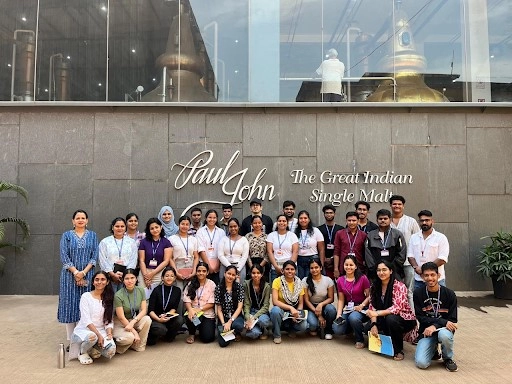
Industrial visit to distillery, Cuncolim Industrial estate

As part of the Industrial Biotechnology Curriculum, the T.Y. Biotechnology students of the Department of Biotechnology had the opportunity to visit the Paul John Distillery located at the Paul John Visitor Centre, Cuncolim Industrial Area, Cuncolim, Goa. This industrial visit provided valuable insights into the practical applications of biotechnology in the beverage and distillery industry, allowing students to connect theoretical knowledge with real-world processes.

Department of Biotechnology

FACULTY OF LIFE SCIENCE Department of Biotechnology Introduced in 2008, the Department of Biotechnology offers an interdisciplinary and industry-oriented programme that blends biological sciences with technological innovation to prepare students for research and biotechnology-driven careers. Overview Biotechnology is an inherently interdisciplinary discipline that integrates biological sciences with technological innovation, and has emerged as one of the fastest-growing and most impactful fields in modern science. Rapid advances in biotechnology have driven the expansion of biopharmaceuticals, healthcare, food and beverage processing, agriculture, and allied industries, creating a sustained demand for skilled and professionally trained graduates. In response to this growing need, the College introduced the B.Sc. Biotechnology programme in 2008. Since its inception, the Department of Biotechnology has developed into a dynamic academic unit supported by well-equipped laboratories and a dedicated faculty committed to excellence in teaching, training, and mentorship. The programme is designed for students with a background in biology who aspire to build careers in research, higher education, or biotechnology-driven industries, including pharmaceuticals, breweries, and food production sectors. To support blended and flexible learning, students have access to online academic resources through institutional learning management systems such as CLAAP (Chowgule’s Learn Anytime Any Place) and Google Classroom.  The Department of Biotechnology aims to nurture motivated learners who are analytically strong, ethically grounded, comfortable in laboratory environments, and equipped with the patience, perseverance, and curiosity essential for success in scientific research and professional practice. Read More Read Less Vision To nurture competent and ethically grounded biotechnology graduates with strong scientific foundations and research aptitude, prepared for higher education, research, and industry careers. Mission The Department of Biotechnology is committed to providing comprehensive education through a well-structured curriculum encompassing core and elective courses in contemporary areas of applied sciences. The programme integrates theoretical instruction with practical training, industry exposure, and research-oriented learning to enhance analytical ability, problem-solving skills, and scientific temperament. Programmes Offered Bachelor of Science (B.Sc.) in Biotechnology The B.Sc. Biotechnology programme is designed to provide students with a strong multidisciplinary foundation in the life sciences, integrating core theoretical knowledge with extensive practical training. The curriculum includes core courses in Biochemistry, Microbiology, Cell and Molecular Biology, Genetics, Genetic Engineering, Immunology, and Industrial Biotechnology, complemented by elective courses in Molecular Genetics, Plant and Animal Diversity, Physiology, Cell Culture, Biostatistics, and Bioinformatics.Each course incorporates a dedicated practical component, enabling students to gain hands-on laboratory experience and develop technical and analytical skills grounded in theoretical concepts. Learning is supported through digital platforms such as CLAAP (Chowgule’s Learn Anytime Any Place) and Google Classroom.The programme includes a compulsory internship of a minimum of 120 hours in pathology laboratories, pharmaceutical and biopharmaceutical companies, and research institutes, providing meaningful industry and research exposure. Academic enrichment is further enhanced through guest lectures on emerging trends and advancements in biotechnology.As a requirement, students undertake a six-month research project, with encouragement to present their findings at national seminars and conferences and to pursue publication in peer-reviewed journals. The programme aims to develop motivated, ethically grounded graduates who are comfortable in laboratory environments, capable of applying scientific principles, and prepared for careers in research, higher education, and biotechnology-driven industries. Bachelor of Science (B.Sc) in Biotechnology UNDERGRADUATE PROGRAM | 3 YEARS Bachelor of Science (B.Sc) in Biotechnology The Undergraduate Programme… Read More No posts found Department Faculty Dr. Starlaine Chrizelle Mascarenhas Assistant Professor Dr. Nivedita Kolvekar Assistant Professor Dr. Sidhali Uday Parsekar Assistant Professor Dr. Sreekala S Assistant Professor (LB) Atharva Karde Assistant Professor (Lecture Basis) No posts found Activities Organised Industry Visit: Tropical Mushrooms (Goa) Private Limited Certificate Course on Drug Discovery and Development: A Transformative Learning Experience Synapse 2K24-25: Where Science Met Spotlight! Industry Visit to Sewage Treatment plant, Panaji Industrial visit to distillery, Cuncolim Industrial estate Teaching & Learning method The Department of Biotechnology adopts a blended and learner-centric approach to teaching and learning, combining traditional classroom instruction with innovative pedagogical practices. Teaching is delivered through structured lectures supported by presentations, videos, and other multimedia resources to enhance conceptual clarity and engagement. Active learning strategies such as flipped classroom sessions, student presentations, seminars, and course-based activities are incorporated to promote critical thinking, communication skills, and independent learning. Students are encouraged to engage with prescribed textbooks and selected research papers to develop scientific reading, interpretation, and analytical abilities. To support flexible and continuous learning, academic material and resources are systematically shared through Google Classroom, ensuring accessibility beyond the classroom. These methods collectively foster conceptual understanding, research aptitude, and lifelong learning skills essential for biotechnology education. Best Practices Experiential and Research-Oriented Learning Emphasis on hands-on laboratory training aligned with current biotechnological techniques Integration of mini-projects, field visits to industry , distillery , research institutes and STP integrating research  exposure into the curriculum Encouragement of student participation in experimental design, data analysis, and report writing Annual Academic Events and Exhibitions Organization of department-specific flagship events, such as: SYNAPSE (Annual Exhibition cum Academic Event) Platform for students to: Present posters and models, demonstrate experiments, interact with peers and faculty Workshops, Seminars, and Guest Lectures Regular organization of: Workshops on emerging areas of biotechnology, seminars on recent scientific advances, guest lectures by subject experts and industry professionals, helps students stay updated with current trends in biotechnology and for the purpose of skill upgradation. Students present their research findings as a part of their TY dissertation at National Conferences Use of ICT and Digital Learning Tools Use of:  Online databases (NCBI, PubMed, UniProt), Digital learning platforms Multimedia teaching aids to enhance conceptual clarity and self-learning abilities Outcome of Best Practices Enhanced student learning and confidence Improved research orientation Better academic performance and career readiness Strengthened departmental identity and academic culture Alumni of the Department Sr.No Name Graduation year Current employer / status / achievements     1 Sakshi Ahluwalia 2019 Junior Research Scientist Aging Biology, BeyondAge     2 Fauzia Shaikh 2019 Senior CDC (R&D, Clinical Data Management), Sanofi     3 Amanda Vas 2021 Femina Miss India Goa 2022     4 Simran Coutinho 2021 Clinical SAS programmer & analyst, Zifo     5 Rutuja
Bachelor of Science (B.Sc) in Biotechnology

UNDERGRADUATE PROGRAM | 3 YEARS Bachelor of Science (B.Sc) in Biotechnology The Undergraduate Programme in Biotechnology is a multidisciplinary, future-oriented programme designed in alignment with the National Education Policy (NEP) 2020, and implemented from the Academic Year 2023–2024. Apply Now View Syllabus Overview The B.Sc. Biotechnology programme is designed to provide students with a strong foundation in both theoretical and practical aspects of biotechnology. The curriculum includes core courses in Biochemistry, Microbiology, Cell and Molecular Biology, Genetics and Genetic Engineering, Immunology, and Industrial Biotechnology. In addition, the programme offers Vocational and Skill Enhancement Courses (SEC) such as Food Biotechnology, Mushroom Cultivation, Nutrition and Dietetics, Biostatistics, and Bioinformatics, which focus on developing practical skills and industry-oriented competencies. Each course is supported by a practical component that enables students to gain hands-on laboratory experience and apply theoretical concepts to experimental work. To further enhance learning, online academic resources are provided through CLAAP (Chowgules Learn Anytime Any Place) and Google Classroom platforms. The programme encourages students to undertake an internship of a minimum of 120 hours, through which they gain practical exposure by working in pathology laboratories, pharmaceutical and biopharmaceutical industries, and research institutes. This experience helps bridge the gap between academic learning and professional practice. In addition to regular classroom teaching, the department organizes guest lectures by experts to acquaint students with recent developments and emerging trends in biotechnology. As part of the programme, students undertake a six-month research project, encouraging independent investigation and scientific inquiry. Students are motivated to present their research findings at national seminars and to publish their work in peer-reviewed journals. The department endeavours to provide a strong theoretical foundation while fostering the ability to apply scientific concepts, thereby developing students analytical, experimental, and problem-solving skills. The programme seeks to nurture students who are highly motivated, comfortable working in laboratory environments, and who possess patience and perseverance, essential attributes for successful careers in biotechnology research and industry. Read More Read Less Program Specific Outcomes (PSO) PSO-1: Skill Development in Cell Culture, Molecular Biology and Bioprocess Technology Sociology graduates will develop a Sociological Perspective in the critical analyses of varied aspects of Society, Change, Progress and Development through the works of Western and Indian pioneers through the means of research (primary/secondary) and digital technology in narrating/analysing any sociological phenomena. PSO-2: Diagnosis and Industrial Readiness Sociology graduates will Understand, Appraise and Demonstrate the evolution of Goan and Indian Culture and appreciate the same. PSO-3: Computational and Bioinformatics Literacy Sociology graduates will Develop a foundation to establish areas of Social Work i.e. NGO’S, Women Empowerment, Social issues and Social Welfare and Health and Crime (Rural and Urban) PSO-4: Inculcating Entreprenurial Aptitude Sociology graduates will Critically evaluate the issues arising in the contemporary system of education in India and demonstrate varied teaching-learning pedagogies to deal with the classroom thereby creating a foundation in Teaching as a profession Sociology graduates will develop a Sociological Perspective in the critical analyses of varied aspects of Society, Change, Progress and Development through the works of Western and Indian pioneers through the means of research (primary/secondary) and digital technology in narrating/analysing any sociological phenomena. Sociology graduates will Understand, Appraise and Demonstrate the evolution of Goan and Indian Culture and appreciate the same. Sociology graduates will Develop a foundation to establish areas of Social Work i.e. NGO’S, Women Empowerment, Social issues and Social Welfare and Health and Crime (Rural and Urban) Sociology graduates will Critically evaluate the issues arising in the contemporary system of education in India and demonstrate varied teaching-learning pedagogies to deal with the classroom thereby creating a foundation in Teaching as a profession Course Structure Internship of 4 credits should be completed in Semester IV and V Sem I Sem II Sem III Sem IV Sem V Sem VI Major Core Minor/ Vocational Multidisciplinary Course (MDC) Value Added Course (VAC) Ability Enhancement Course (AEC) Skill Enhancement Course (SEC) UG-BIO-101: Biomolecules UG-BIO-102: Cell biology UG-BIO-MDC1: Food and Fermentation technology UG-BIO-VAC1: Nutrition and Dietetics UG-BIO-SEC1: Mushroom cultivation Major Core Minor/ Vocational Multidisciplinary Course (MDC) Value Added Course (VAC) Ability Enhancement Course (AEC) Skill Enhancement Course (SEC) UG-BIO-103: Basic Microbiology UG-BIO-104: Fundamental Genetics UG-BIO-MDC2: Basics of Biodiversity UG-BIO-VAC2: Intellectual property rights and patents UG-BIO-SEC2: Environmental sustainability Major Core Minor/ Vocational Multidisciplinary Course (MDC) Value Added Course (VAC) Ability Enhancement Course (AEC) Skill Enhancement Course (SEC) UG-BIO-201: Cell and Molecular Biology UG-BIO-202: Enzymology UG-BIO-203: Metabolism of Biomolecules UG-BIO-MDC3: Composting technology UG-BIO-SEC3: Biostatistics: Major Core Minor/ Vocational UG-BIO-204: Immunology UG-BIO-205: Molecular Genetics UG-BIO-206: Plant and Animal Physiology UG-BIO-207: Tools and Techniques in Biotechnology UG-BIO-VOC4: Basics of Plant and Animal Sciences Major Core Minor/ Vocational UG-BIO-301: Concepts in Genetic Engineering UG-BIO-302: Environmental Biotechnology UG-BIO-303: Plant Biotechnology UG-BIO-VOC2: Bioethics and Biosafety Major Core Minor/ Vocational UG-BIO-304: Industrial Biotechnology UG-BIO-305: Bioinformatics UG-BIO-306: Animal Cell culture PROJECT (from Major discipline):04 credits UG-BIO-VOC3: Food Biotechnology Major Core Minor/ Vocational Multidisciplinary Course (MDC) Value Added Course (VAC) Ability Enhancement Course (AEC) Skill Enhancement Course (SEC) UG-BIO-101: Biomolecules UG-BIO-102: Cell biology UG-BIO-MDC1: Food and Fermentation technology UG-BIO-VAC1: Nutrition and Dietetics UG-BIO-SEC1: Mushroom cultivation Major Core Minor/ Vocational Multidisciplinary Course (MDC) Value Added Course (VAC) Ability Enhancement Course (AEC) Skill Enhancement Course (SEC) UG-BIO-103: Basic Microbiology UG-BIO-104: Fundamental Genetics UG-BIO-MDC2: Basics of Biodiversity UG-BIO-VAC2: Intellectual property rights and patents UG-BIO-SEC2: Environmental sustainability Major Core Minor/ Vocational Multidisciplinary Course (MDC) Value Added Course (VAC) Ability Enhancement Course (AEC) Skill Enhancement Course (SEC) UG-BIO-201: Cell and Molecular Biology UG-BIO-202: Enzymology UG-BIO-203: Metabolism of Biomolecules UG-BIO-MDC3: Composting technology UG-BIO-SEC3: Biostatistics: Major Core Minor/ Vocational UG-BIO-204: Immunology UG-BIO-205: Molecular Genetics UG-BIO-206: Plant and Animal Physiology UG-BIO-207: Tools and Techniques in Biotechnology UG-BIO-VOC4: Basics of Plant and Animal Sciences Major Core Minor/ Vocational UG-BIO-301: Concepts in Genetic Engineering UG-BIO-302: Environmental Biotechnology UG-BIO-303: Plant Biotechnology UG-BIO-VOC2: Bioethics and Biosafety Major Core Minor/ Vocational UG-BIO-304: Industrial Biotechnology UG-BIO-305: Bioinformatics UG-BIO-306: Animal Cell culture PROJECT (from Major discipline):04 credits UG-BIO-VOC3: Food Biotechnology Faculty of Life Science Department of Biotechnology Established in 2008 Read More Career Opportunities Higher studies (M.Sc., Ph.D., research programs) Biomedical Research &

Scroll to Top