Bachelor of Science (B.Sc) in Biotechnology
The Undergraduate Programme in Biotechnology is a multidisciplinary, future-oriented programme designed in alignment with the National Education Policy (NEP) 2020, and implemented from the Academic Year 2023–2024.
Overview
The B.Sc. Biotechnology programme is designed to provide students with a strong foundation in both theoretical and practical aspects of biotechnology. The curriculum includes core courses in Biochemistry, Microbiology, Cell and Molecular Biology, Genetics and Genetic Engineering, Immunology, and Industrial Biotechnology. In addition, the programme offers Vocational and Skill Enhancement Courses (SEC) such as Food Biotechnology, Mushroom Cultivation, Nutrition and Dietetics, Biostatistics, and Bioinformatics, which focus on developing practical skills and industry-oriented competencies.
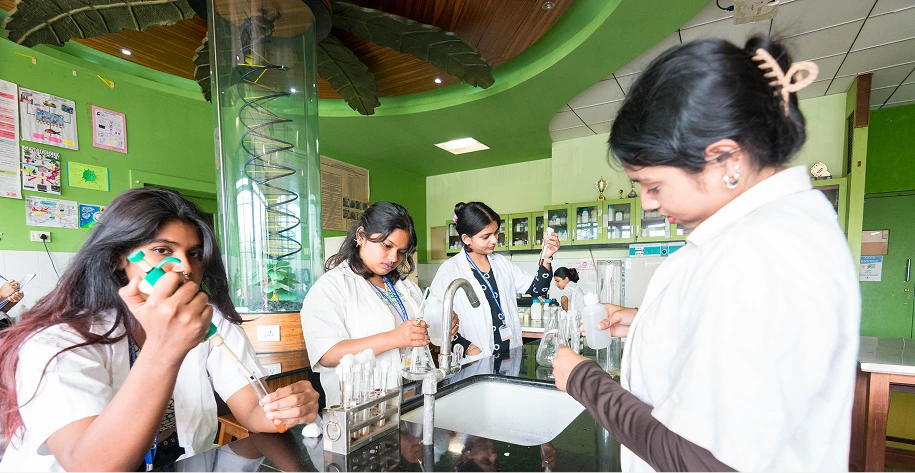
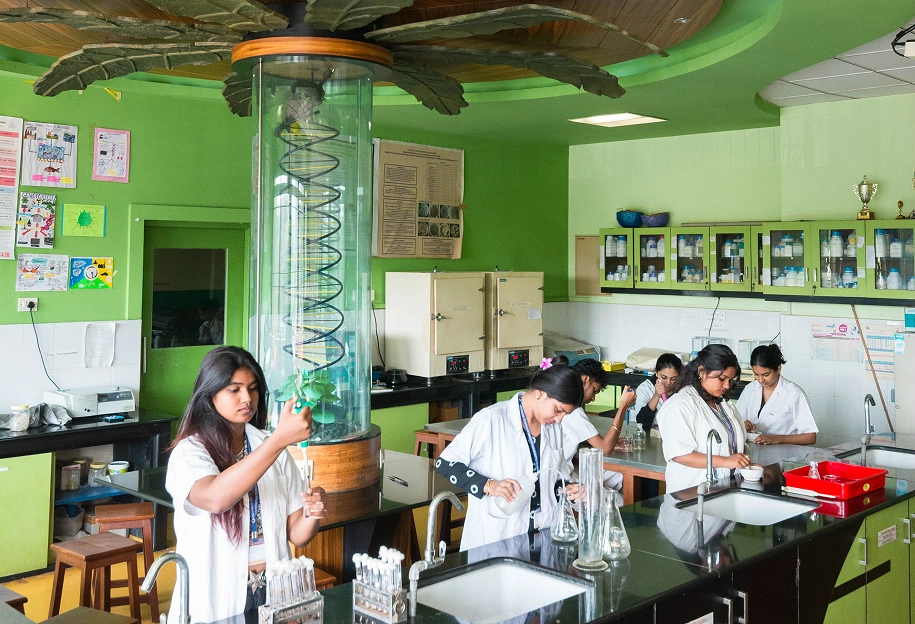
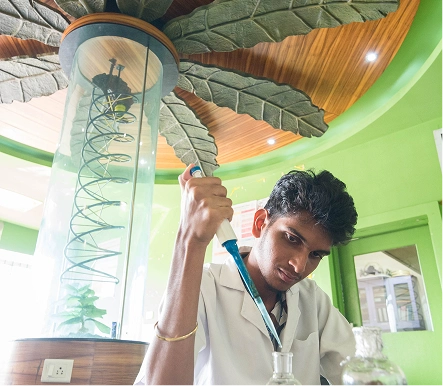
Each course is supported by a practical component that enables students to gain hands-on laboratory experience and apply theoretical concepts to experimental work. To further enhance learning, online academic resources are provided through CLAAP (Chowgules Learn Anytime Any Place) and Google Classroom platforms.
The programme encourages students to undertake an internship of a minimum of 120 hours, through which they gain practical exposure by working in pathology laboratories, pharmaceutical and biopharmaceutical industries, and research institutes. This experience helps bridge the gap between academic learning and professional practice.
In addition to regular classroom teaching, the department organizes guest lectures by experts to acquaint students with recent developments and emerging trends in biotechnology. As part of the programme, students undertake a six-month research project, encouraging independent investigation and scientific inquiry. Students are motivated to present their research findings at national seminars and to publish their work in peer-reviewed journals.
The department endeavours to provide a strong theoretical foundation while fostering the ability to apply scientific concepts, thereby developing students analytical, experimental, and problem-solving skills. The programme seeks to nurture students who are highly motivated, comfortable working in laboratory environments, and who possess patience and perseverance, essential attributes for successful careers in biotechnology research and industry.
- Program Specific Outcomes (PSO)
PSO-1: Skill Development in Cell Culture, Molecular Biology and Bioprocess Technology
Sociology graduates will develop a Sociological Perspective in the critical analyses of varied aspects of Society, Change, Progress and Development through the works of Western and Indian pioneers through the means of research (primary/secondary) and digital technology in narrating/analysing any sociological phenomena.
PSO-2: Diagnosis and Industrial Readiness
Sociology graduates will Understand, Appraise and Demonstrate the evolution of Goan and Indian Culture and appreciate the same.
PSO-3: Computational and Bioinformatics Literacy
Sociology graduates will Develop a foundation to establish areas of Social Work i.e. NGO’S, Women Empowerment, Social issues and Social Welfare and Health and Crime (Rural and Urban)
PSO-4: Inculcating Entreprenurial Aptitude
Sociology graduates will Critically evaluate the issues arising in the contemporary system of education in India and demonstrate varied teaching-learning pedagogies to deal with the classroom thereby creating a foundation in Teaching as a profession
Course Structure
Internship of 4 credits should be completed in Semester IV and V
| Major Core | Minor/ Vocational | Multidisciplinary Course (MDC) | Value Added Course (VAC) | Ability Enhancement Course (AEC) | Skill Enhancement Course (SEC) |
|---|---|---|---|---|---|
|
UG-BIO-101: Biomolecules |
UG-BIO-102: Cell biology |
UG-BIO-MDC1: Food and Fermentation technology |
UG-BIO-VAC1: Nutrition and Dietetics |
|
UG-BIO-SEC1: Mushroom cultivation |
| Major Core | Minor/ Vocational | Multidisciplinary Course (MDC) | Value Added Course (VAC) | Ability Enhancement Course (AEC) | Skill Enhancement Course (SEC) |
|---|---|---|---|---|---|
|
UG-BIO-103: Basic Microbiology |
UG-BIO-104: Fundamental Genetics |
UG-BIO-MDC2: Basics of Biodiversity |
UG-BIO-VAC2: Intellectual property rights and patents |
|
UG-BIO-SEC2: Environmental sustainability |
| Major Core | Minor/ Vocational | Multidisciplinary Course (MDC) | Value Added Course (VAC) | Ability Enhancement Course (AEC) | Skill Enhancement Course (SEC) |
|---|---|---|---|---|---|
|
UG-BIO-201: Cell and Molecular Biology UG-BIO-202: Enzymology |
UG-BIO-203: Metabolism of Biomolecules |
UG-BIO-MDC3: Composting technology |
|
|
UG-BIO-SEC3: Biostatistics: |
| Major Core | Minor/ Vocational |
|---|---|
|
UG-BIO-204: Immunology UG-BIO-205: Molecular Genetics UG-BIO-206: Plant and Animal Physiology UG-BIO-207: Tools and Techniques in Biotechnology |
UG-BIO-VOC4: Basics of Plant and Animal Sciences |
| Major Core | Minor/ Vocational |
|---|---|
|
UG-BIO-301: Concepts in Genetic Engineering UG-BIO-302: Environmental Biotechnology UG-BIO-303: Plant Biotechnology |
UG-BIO-VOC2: Bioethics and Biosafety |
| Major Core | Minor/ Vocational |
|---|---|
|
UG-BIO-304: Industrial Biotechnology UG-BIO-305: Bioinformatics UG-BIO-306: Animal Cell culture PROJECT (from Major discipline):04 credits |
UG-BIO-VOC3: Food Biotechnology |
Career Opportunities
- Higher studies (M.Sc., Ph.D., research programs)
- Biomedical Research & Development in government and private labs
- Biotech and pharmaceutical industries (QC, QA, production)
- Healthcare and diagnostic laboratories
- Bioinformatics and data analysis
- Environmental and industrial biotechnology
- Agricultural biotechnology
- Regulatory affairs in the food industry
- Bioprocessing industry
- Teaching and academic careers (post higher qualification)
- Entrepreneurship and biotech start-ups